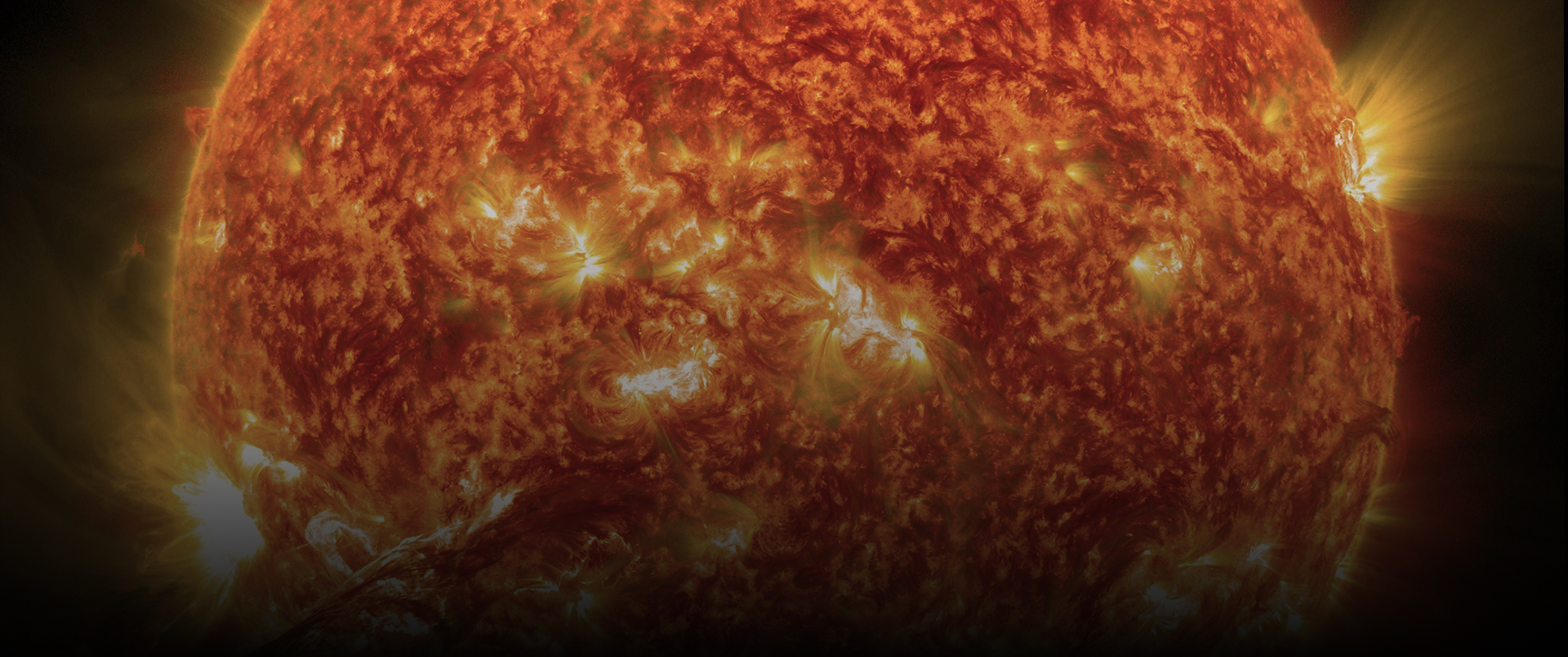
Space Weather refers to the environmental conditions in space as influenced by the Sun. These conditions can significantly affect Earth’s magnetic field and human activities, especially technologies and infrastructures.
The challenges of Space Weather are numerous and complex, impacting various sectors and requiring coordinated efforts to mitigate their effects. To address these challenges, scientists are working on improving space weather monitoring and forecasting capabilities. In this context, the CSES-Limadou collaboration focused on understanding the impact of geomagnetic storms on the ionosphere using data from the CSES-01 satellite.
Their research results includes:
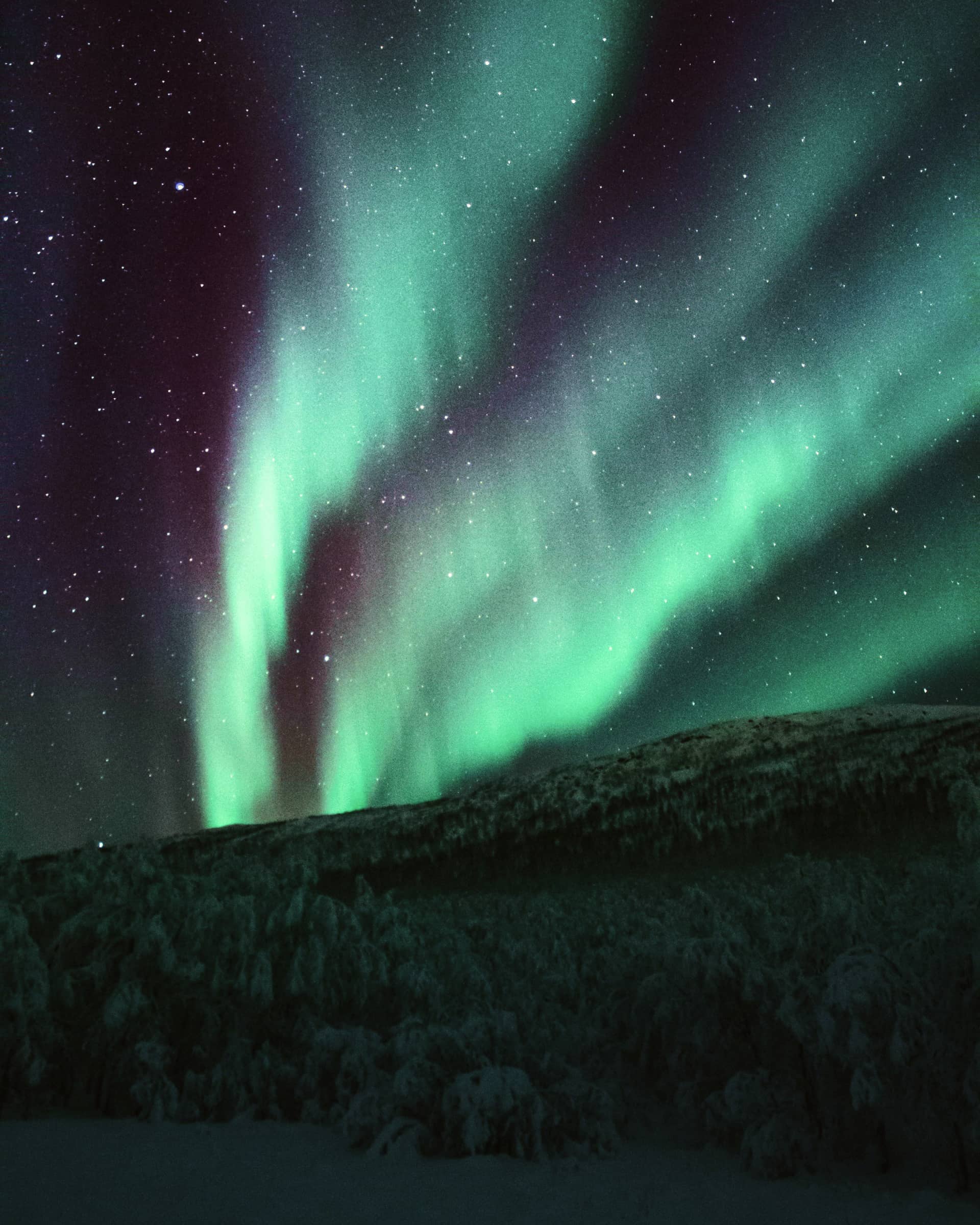
Artistic impression of Northern Lights
The use of the CSES-02 satellite, acquiring data also at polar latitudes, will allow to increase the knowledge of the magnetosphere-ionosphere coupling during active solar conditions in terms of Auroral Electrojet current and Field Aligned Current. Indeed, there will be the possibility to characterize the FAC electric field for the first time.
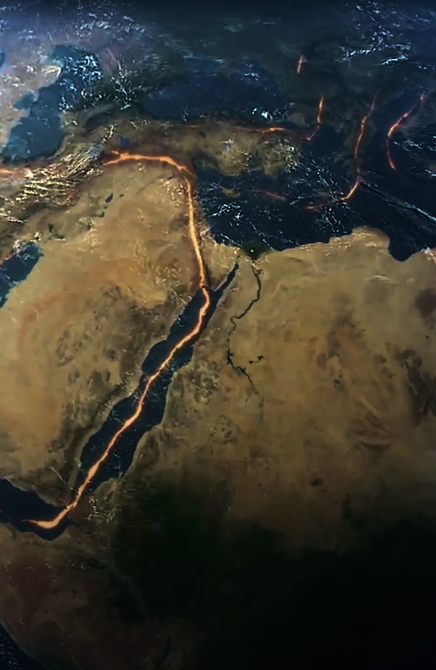
The study of earthquakes from space is an intriguing field that utilizes cutting-edge technology to...
Read more
The near-Earth environment (NEE) is a dynamic region influenced by space weather, which includes solar...
Read more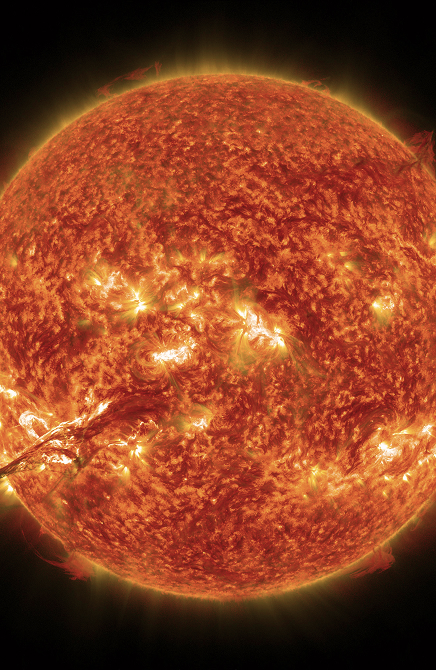
Space Weather refers to the environmental conditions in space as influenced by the Sun and...
Read more
Over the polar regions along the CSES-02 orbit, the particle instruments onboard will detect low-energy...
Read more