Over the polar regions along the CSES-02 orbit, the particle instruments onboard will detect low-energy galactic cosmic rays. Galactic cosmic rays (GCRs) are high-energy particles that originate outside the solar system and travel through the galaxy. As GCRs journey through space, they encounter the heliosphere, which is dominated by the solar wind and the Sun’s magnetic field, and are subsequently modulated.
Understanding the solar modulation of GCRs is crucial for several reasons. It aids in studying the fundamental processes of cosmic ray propagation and their interaction with the heliosphere. Additionally, it has practical implications for space missions and safety, as increased GCR flux during solar minimum can pose a higher radiation risk. The CSES flights cover almost a full solar cycle, providing the opportunity to reconstruct GCR differential spectra and their time variability.
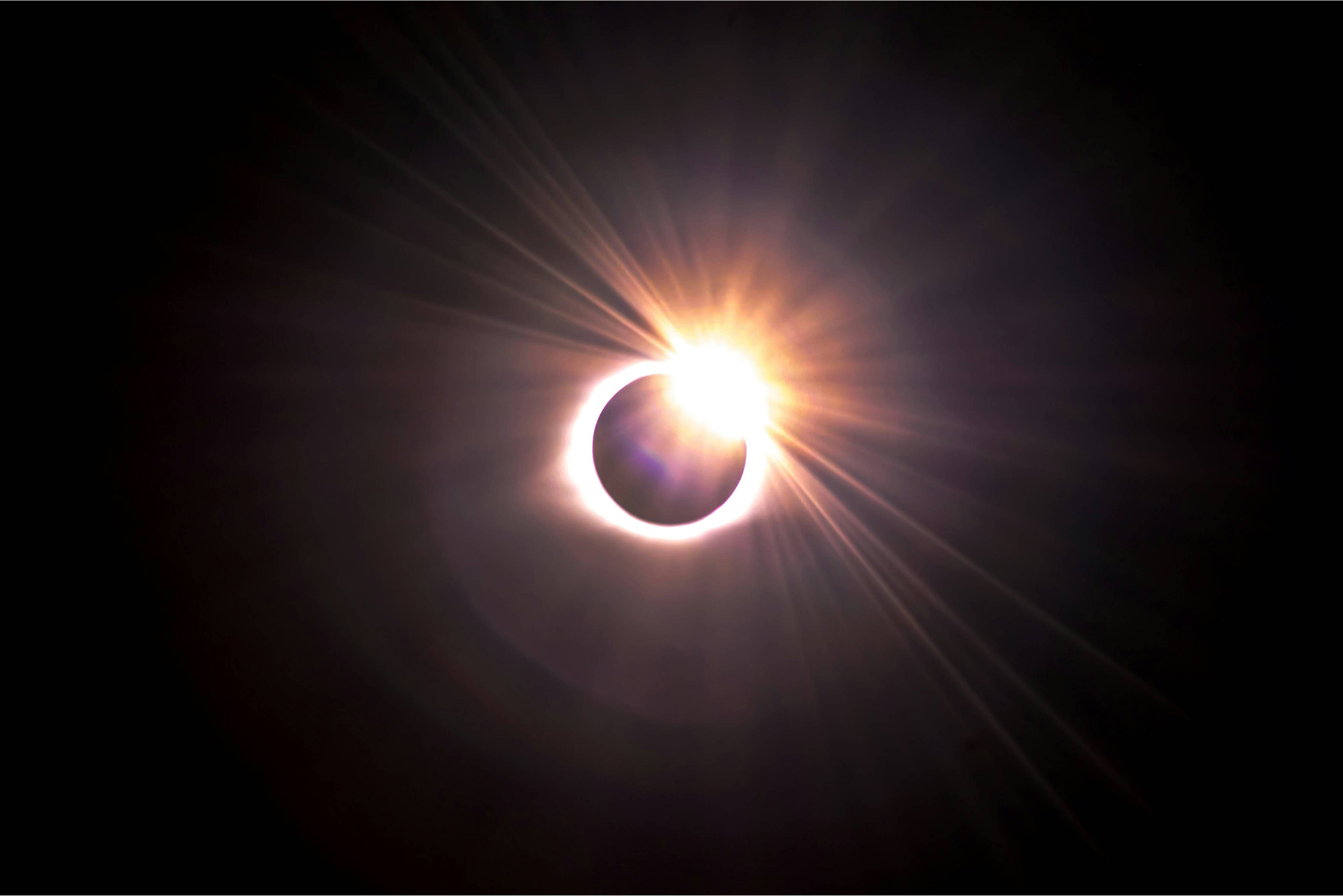
The physics of CSES extends beyond the boundaries of our Galaxy. As already demonstrated by CSES-01, the instruments on board the satellite are sensitive to the reception of Gamma Ray Bursts, which can thus be detected simultaneously in different energy ranges. CSES-02 will therefore be an excellent GRB monitor, connecting to the series of transient gamma detectors in space.
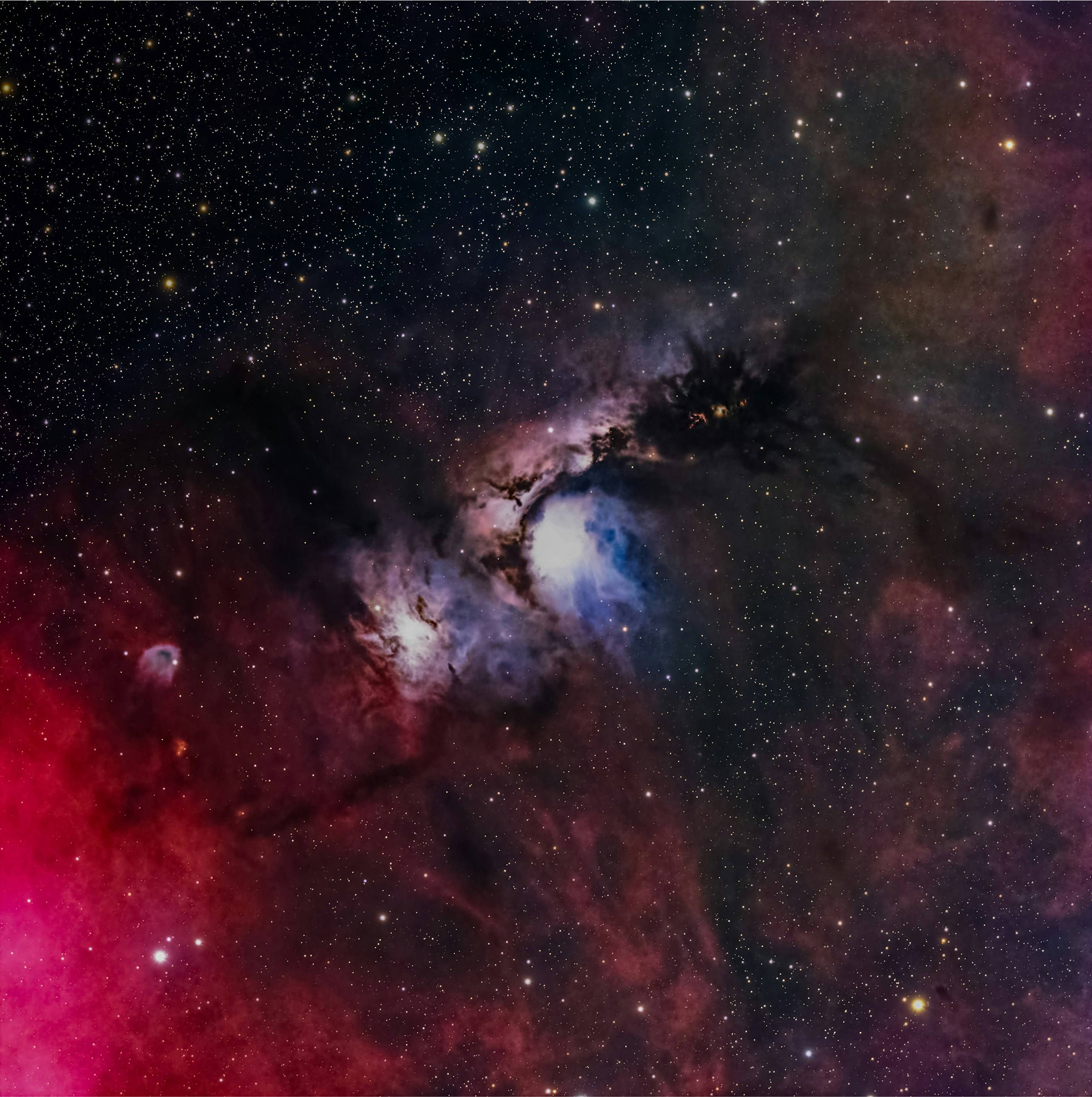
Artistic impression of the extragalactic sky

The study of earthquakes from space is an intriguing field that utilizes cutting-edge technology to...
Read more
The near-Earth environment (NEE) is a dynamic region influenced by space weather, which includes solar...
Read more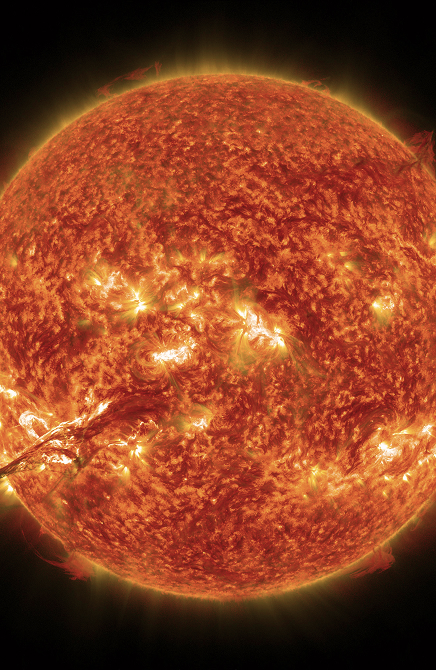
Space Weather refers to the environmental conditions in space as influenced by the Sun and...
Read more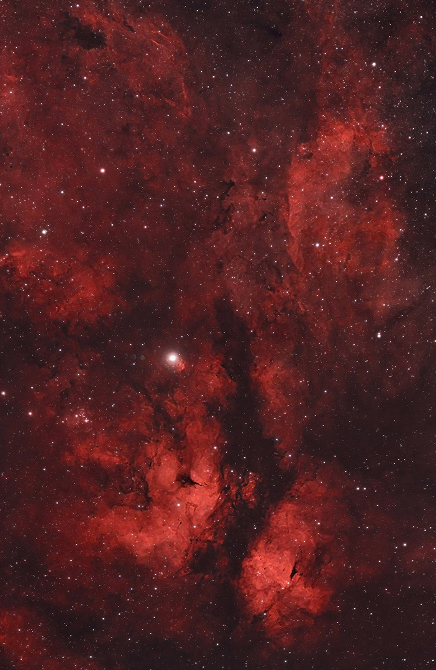
Over the polar regions along the CSES-02 orbit, the particle instruments onboard will detect low-energy...
Read more